

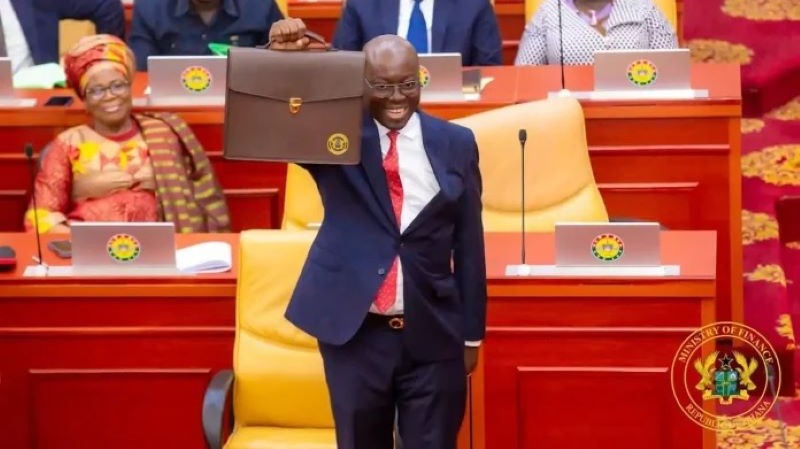
Later this month, the Minister for Finance, Hon. Cassiel Ato Forson, will present the 2026 Mid-Year Budget Review to the Parliament of Ghana. This statement is earmarked to provide an update on how the economy fared during the first half of the year, assess the implementation of the 2026 Budget, and highlight any policy adjustments needed to keep the H.E. John Dramani Mahama-led government’s fiscal and economic objectives on the rail.
The review comes at a time Ghanaians holds diverse opinions about the performance of the government. However, concerns over the cost of living, job creation, exchange rate stability, infrastructure development, and the delivery of essential public services continues to lead the conversations.
Beyond the presentation on the economic performance, the Mid-Year Budget Review sets forth an opportunity for government to respond to these challenges with practical measures that strengthen confidence in the economy and improve the livelihoods of citizens.
Among my key concerns ahead of the 2026 Mid-Year Budget Review include the amount of monies much that have gone into government’s flagship policies like the Big Push, 24-hour economy, Nkoko Nketenkete. Moreso, the rising cost of living, particularly in major urban centres, and the persistent inflationary pressures experienced in recent months is a major concern.
Another area requiring attention is domestic revenue mobilization and the leakages in the system. Government must improve revenue collection without placing an additional burden on taxpayers. Some equally key concerns are the energy sector debt, the intermittent power supply which is being experienced in parts of the country, and the need to strengthen transparency, accountability, and value for money when it comes to public expenditure.
For a very sustainable economic growth, I recommend that government increases investment in critical areas like infrastructure, healthcare, and job creation. Government should also harness the digitalisation of revenue collection in the informal sector to minimize revenue leakages through the reduction of human interference. For example, revenue collected by task forces on behalf of Metropolitan, Municipal and District Assemblies should be processed through secure digital payment platforms, where task forces only assist persons who are not conversant with the platforms to complete payment.
Furthermore, stronger oversight of state-owned enterprises by SIGA, and other relevant bodies is needed to improve efficiency and safeguard public resources. Any future borrowing should also be strategic, directed towards productive sectors—particularly infrastructure—that generate long-term economic returns and improve the quality of life of Ghanaians.
In conclusion, the 2026 Mid-Year Budget Review by Hon. Forson should be able to inspire confidence by presenting practical measures that address the concerns of Ghanaians, strengthen fiscal discipline, and promote sustainable economic growth in the second half of the year.
by Yaw Sarpong, MFFAA 2026 Fellow